my thoughts on waterloo's co-op program
nicholas chen · january 1, 2026 · 7 min read
note: this is my experience from the engineering faculty co-op so content in this blog may differ from the other faculties including math, science, etc..
since studying at the university of waterloo, the most common thing i hear being talked about on campus is the school's co-op program. back in high school when i was still deciding between universities, the only school i really wanted to go to was waterloo for the sole reason that they had their own co-op program. i had heard many great things about the opportunities offered, the different countries you could work in and how all the students in every graduating class would always have jobs lined up because of the 2+ years of work experience that gave them that extra advantage. now after being in the co-op program for a bit longer than a year i want to give my thoughts on it and how it has changed me and helped me at the same time.
exploring cities, careers, and chaotic living
during your time in waterloo engineering you will experience a ton of things and one of those will be doing 6 co-ops in 5 years every 4 months that get you 2 years of real work experience. this experience is extremely valuable because not a lot of students get to work in real work environments where they are challenged and treated like adults at such a young age. due to the fact that waterloo does a 4 month study term and 4 month co-op term that rotate between the two, it allows you to explore different career paths, live in different cities and also jump between startups and larger companies.

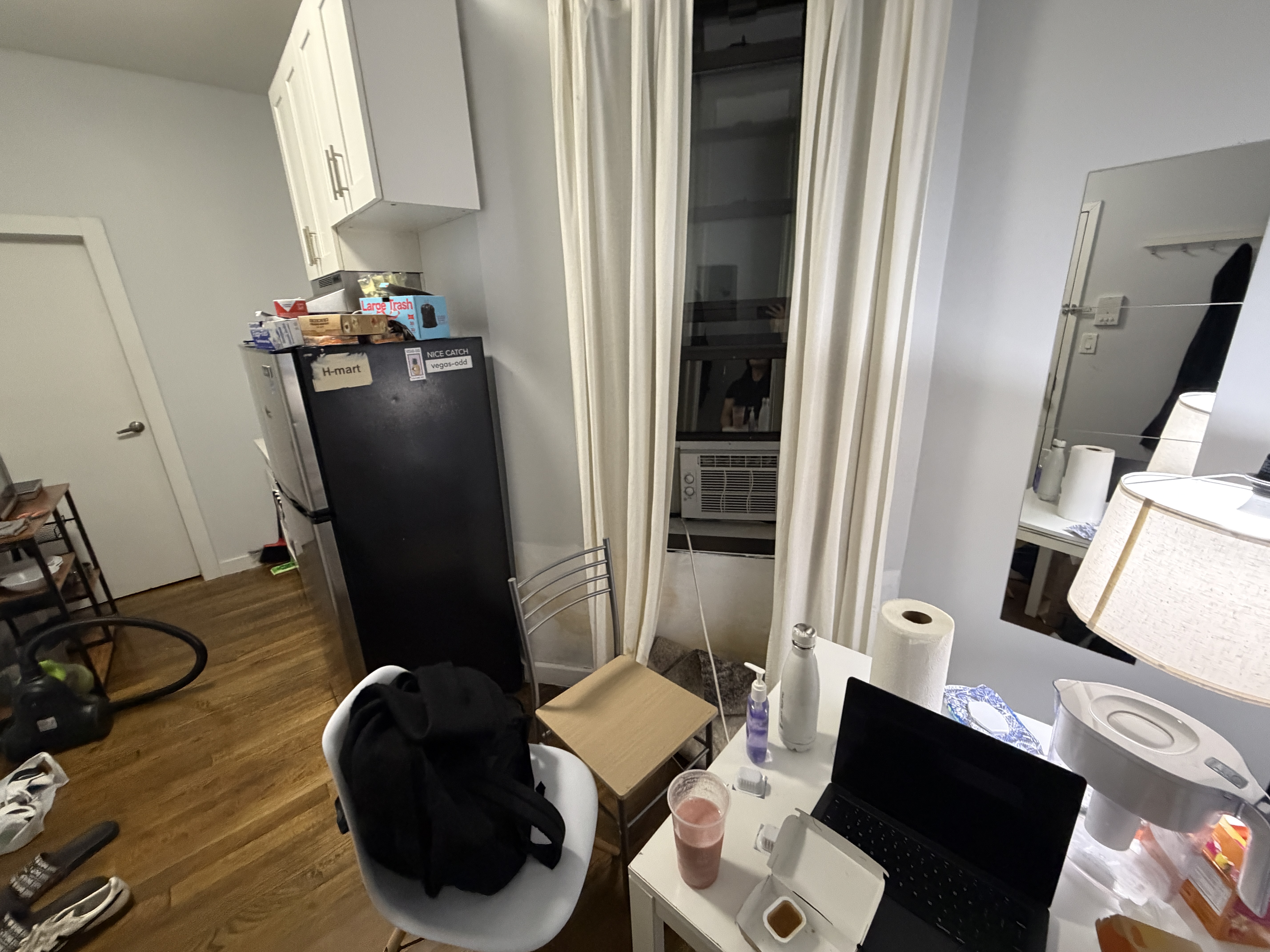
many students i've seen have been able to travel to san francisco, new york, seattle and more. many jobs, especially in tech can be found frequently in those places. landing a co-op job there gives you a chance to leave your hometown to work, eat, sleep and explore a new city on your own for 4 months. you will also go through the thrill of finding housing, trying to make new friends and live frugal but it's all a good learning experience at the end of the day. also from personally having done this for my most recent co-op term, i had a lot of fun, learned a lot and it was definitely a term i won't ever forget.
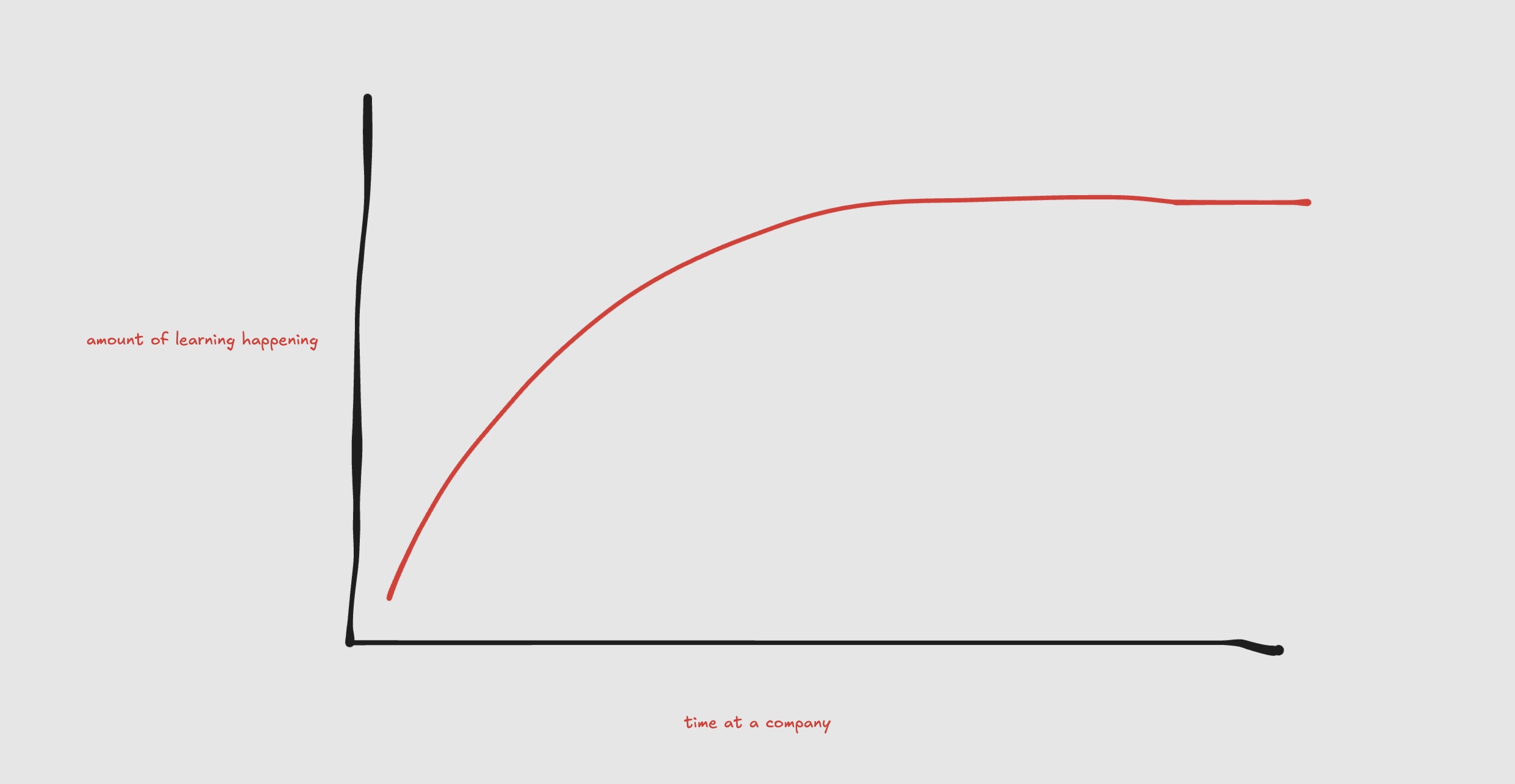
due to the fact that co-op is every 4 months it's quite often that you see students jump company from company and this is where you learn the most about what you enjoy doing and the type of companies you truly want to work for. a lot of things become more clear the more you work in diverse environments and that eventually helps you choose the perfect place after graduating.
learning how to get a job
the nature of waterloo's co-op is already very competitive and when you are surrounded by top talent all fighting for the same few jobs it takes a bit of agency and some hard work to get a good job nowadays.
one special part about waterloo's co-op program is the network of alumni that give back internship opportunities to new students through the co-op portal. companies like tesla, snowflake, bloomberg and more all post job postings directly through the site. many fast growing startups will also be seen and chances are either the founders or engineers used to study at waterloo.
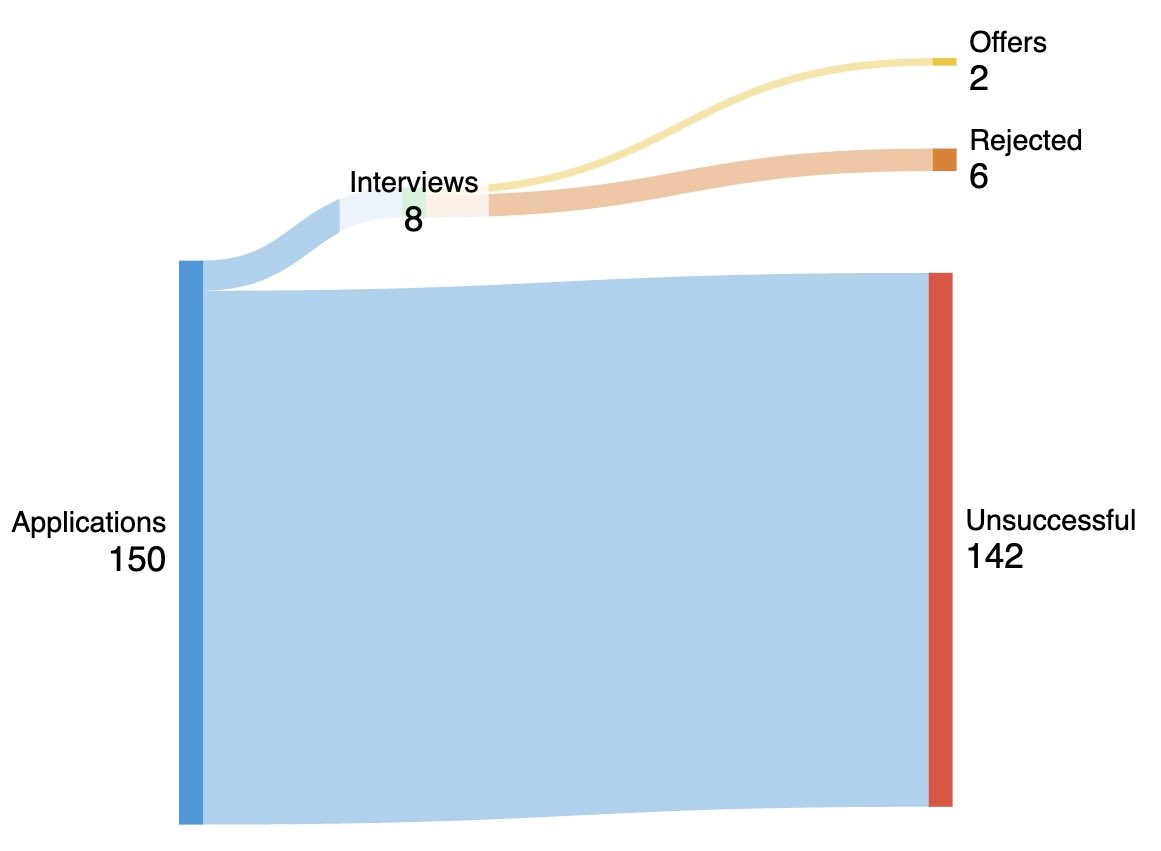
recruiting for my very first job back in the fall of 2024 was pretty stressful because although i was able to return back to an old company the feeling of me going back didn't feel good. i ended up applying to every job that i saw externally and through the school's portal. i sent cover letters for every single one and even tried to personalize my resume for each specific job posting. this became very tiring and i eventually stopped doing that. although i landed a few interviews, i wasn't so good at interviewing and my technical skills weren't too strong. i think i ended up with around 14 interviews total by the end of the term but i only had one offer of which i declined. i ended up joining a startup that was acquired by the company i had worked at the summer previously. i didn't get a job i truly wanted, but i learned a lot during the 4 months through job searching, interviewing and learning to stand out.
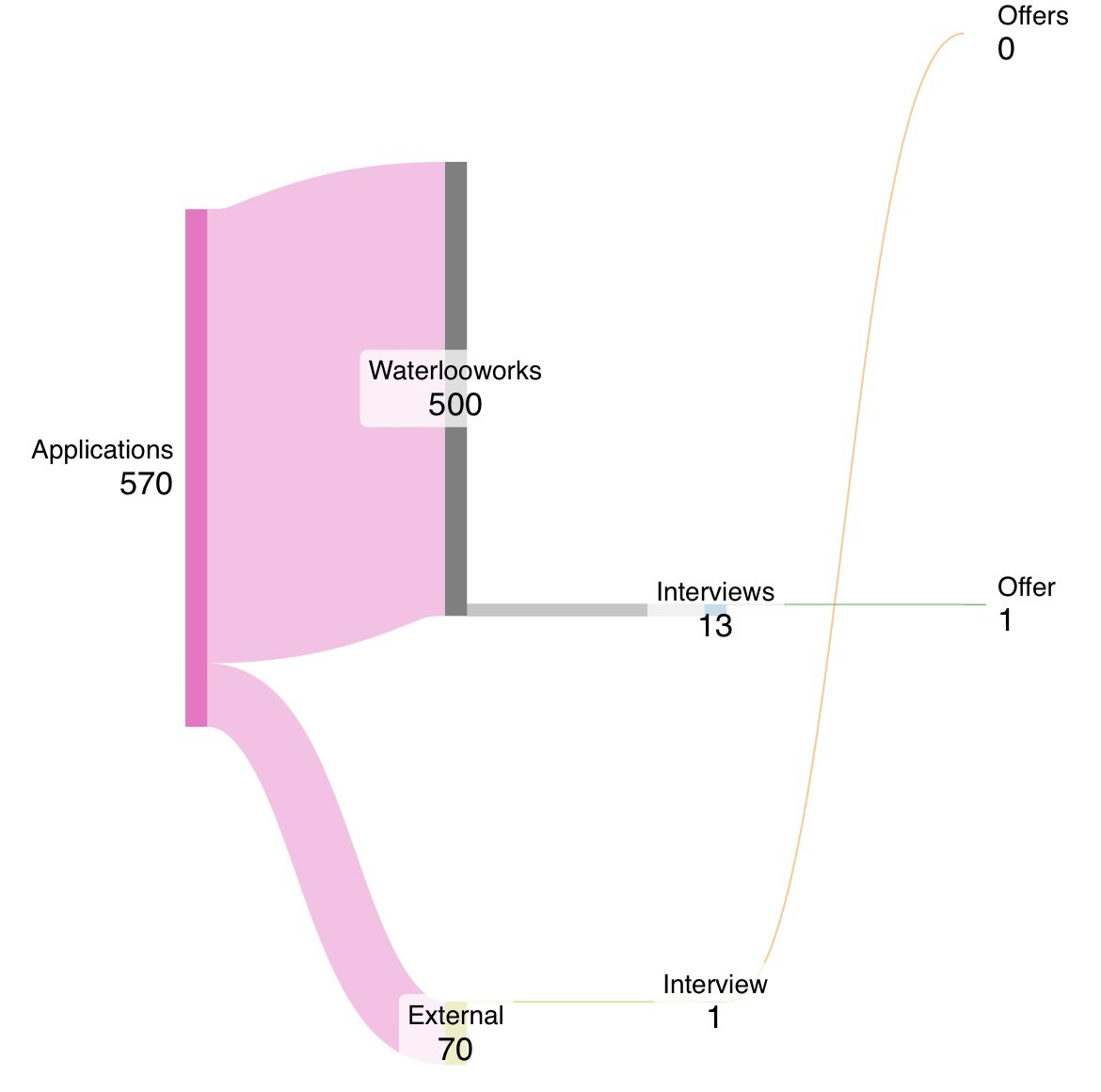
fast forward to just a year later and i've learned to find jobs through other ways, one of them by posting on twitter and building in public. going on twitter in january of 2025 was the best thing i could've done to prepare me for the next recruiting season. during this time i also tried to do more hackathons, build more side projects and show them on twitter and linkedin. most waterloo students eventually adapt to this and begin finding opportunities on their own. you will see that most hackathons are filled with waterloo students as well as other competitions in general. everyone cold emails founders, posts on twitter and reaches out through linkedin. one thing i have noticed probably due to the co-op program is that waterloo students develop or tend to have high agency because that's the only way one can stand out in a crowd of talent.
this is also something i've learned throughout being in the program and after interviewing with many companies now in my third co-op search i've gotten much better at interviewing and my technical skills have improved quite a bit since last year.
commitment issues
something i have noticed particularly only in waterloo students is that a lot of them including myself have commitment issues and i believe it stems from always looking for a job.
in engineering (stream 4) you are forced into recruiting within the first week of university so while everyone else at other universities is partying, side questing and making friends, you have to lock in and find a job. now since each term is only 4 months long the recruiting cycle comes back every 4 months and sometimes recruiters will post job postings even up to 10 months in advance so most people are recruiting all year round. even during the current co-op term you are already thinking about the next. this is something i talked to with a friend and he mentioned it as well on how most of us can't stay loyal to a company because of the fact we are constantly thinking about the next thing in our career.
on top of that because there are 6 terms and everyone at school constantly reminds us to try new things it's hard to go back and a lot of people including me all agree on the fact that we would never do a co-op at the same company twice due to lack of gaining more experience.
salaries and total compensation
money is also a concern for a lot of us because that's why everyone is here. everyone has heard about how the co-op program earnings basically shave off all your tuition money so university is basically free.
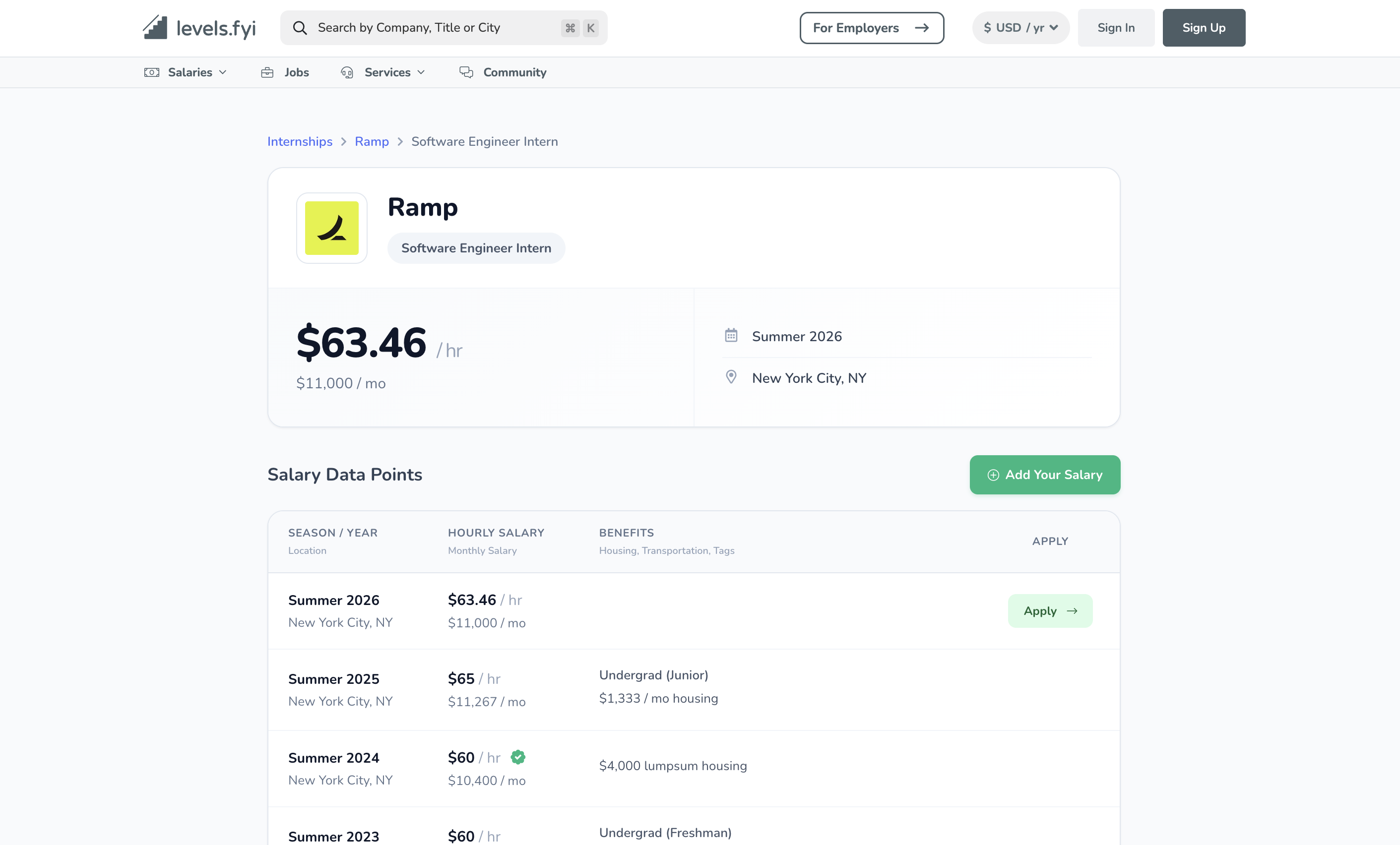
total compensation (tc) is usually the base pay + housing stipend + relocation. in canada, you're looking at anywhere from $25 to $50 cad/hour. big banks and local startups usually sit on the lower end, while companies like shopify or amazon (toronto) pay towards the top. the real jump happens when you "cali or bust," a term coined by waterloo students when someone must go to california for a co-op. us internships pay in usd, and the conversion alone makes you feel rich. big tech in sf or nyc usually pays $50 to $90 usd/hour. once you add a $3k–$5k monthly housing stipend, your effective monthly tc can easily hit $10k–$15k usd. it's honestly life-changing money for someone in their twenties.
i think this is also something that was developed from my parents and the people around me but making a lot of money seemed to matter and as a result i spent a lot of time on levels.fyi
status symbols and the prestige ladder
the obsession with prestige at waterloo is everywhere and creates a strict ranking where a student's value is tied to the company name on their linkedin profile. from the first semester, the "cali or bust" mentality takes over the culture. landing a role at google, meta, or a quant firm like jane street makes a student highly respected, while other jobs are often seen as not as good. on one side of this split is the "comfortable" big tech path, defined by big signing bonuses, nice perks, and a work-life balance that lets you move up in your career because of the company name.
on the other hand, some students go for "more control" within the startup world, often working a 996 schedule from 9am to 9pm six days a week. they focus on quickly building important features over personal time. this split creates an unhealthy environment where everyone compares themselves and students subtly compete by showing off their total compensation and sometimes keep interview materials secret. in the end, the culture often cares more about how a job looks and its benefits than the actual work itself.

miscellaneous things
unemployment & alternatives
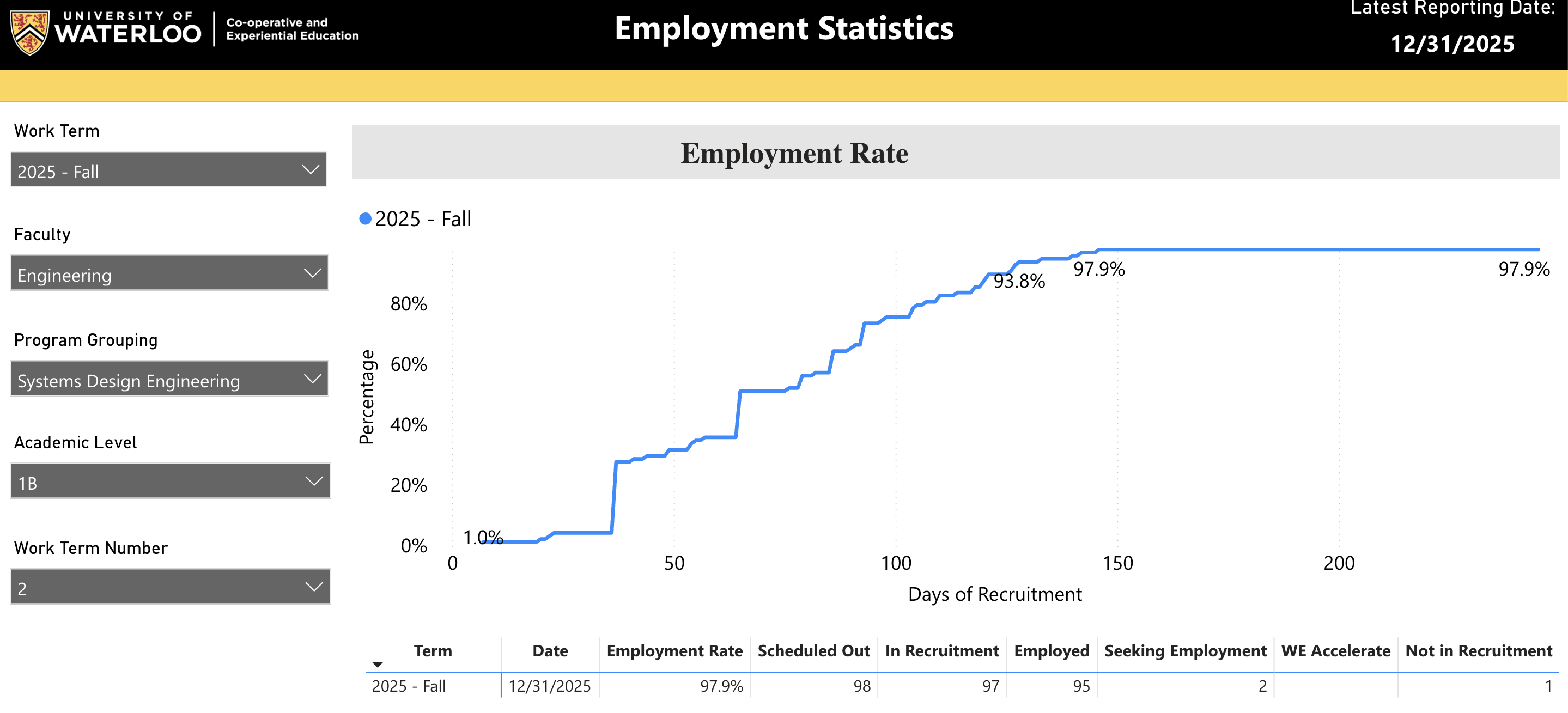
not everyone gets a job every term, especially with how the market is right now. if you don't end up getting one, there's we accelerate, which is basically a project-based backup for first years to get some credits and skills so the term isn't a total waste. a lot of people also pour their time into design teams. honestly, spending a term working hard on waterloo rocketry or formula sae can sometimes teach you more than a corporate internship would anyway, and it looks great on a resume.
evals & ratings
at the end of every term, your boss gives you a rating—anything from satisfactory to outstanding. it's kind of stressful because these ratings stay on your co-op record forever. future employers see them when you apply through waterlooworks, so you're always performing to make sure you don't end up with a "marginal" that ruins your next search. also because so many waterloo students are tryhards the average rating is an excellent which is the second highest just under outstanding due to the fact that the employer must write an entire paragraph explaining why the intern should get that rating.
pd courses
everyone at waterloo hates pd courses. they're these mandatory online modules you have to do while you're working full-time. it's usually stuff like "how to write an email" or "workplace ethics." they feel like a massive chore when you just want to focus on your job, but you have to pass them to get that co-op designation on your degree.
visas and the border
if you land a job in the us, you have to deal with the whole j-1 visa mess or if you're canadian maybe even a TN. it's a lot of paperwork, sevis fees, and waiting for ds-2019 forms to arrive in the mail. you basically become a part-time immigration lawyer for a month. then there's the stress of crossing the border and hoping the officer doesn't have a bad day. it's a lot of "legal border stuff" just to go work in the states for four months, but the hassle is definitely worth it for the experience.
conclusion
overall, the waterloo co-op program is a trade-off. you get a massive head start on your career, financial independence, and the chance to live in new cities every four months. it forces you to grow up fast and learn how to work in the professional world before you even graduate.
however, the system also creates a lot of pressure. the constant cycle of recruiting and the obsession with prestige can make it feel like you are always behind. it is easy to focus only on the money and the brand names instead of the actual learning. the program is not perfect, but the experience is unique. even with the constant comparison and the stress of the job search, the technical skills and ability to take action you develop make the process worth it.